When it comes to choosing the best diet for your poodle, it's important to consider their specific nutritional needs. Poodles are a unique breed that require a balanced diet to maintain their health and energy levels. One of the key things to keep in mind is that poodles are prone to obesity, so it's essential to feed them the right amount of food based on their size and activity level.
Protein is an essential part of a poodle's diet, as it helps to build strong muscles and maintain a healthy coat. Look for high-quality protein sources like chicken, beef, or fish in your poodle's food. Additionally, poodles need a diet that is rich in omega-3 fatty acids to support their skin and coat health. Consider adding foods like salmon or flaxseed to their diet to ensure they are getting enough of these essential nutrients.
Another important factor to consider is the size of your poodle. Toy and mini poodles have different nutritional needs than standard poodles, so make sure to choose a diet that is appropriate for your poodle's size. Lastly, be sure to provide your poodle with plenty of fresh water throughout the day to keep them hydrated and support their overall health. By choosing a diet that meets your poodle's specific nutritional needs, you can help them live a long and healthy life.
Popular Diet Options for Poodles
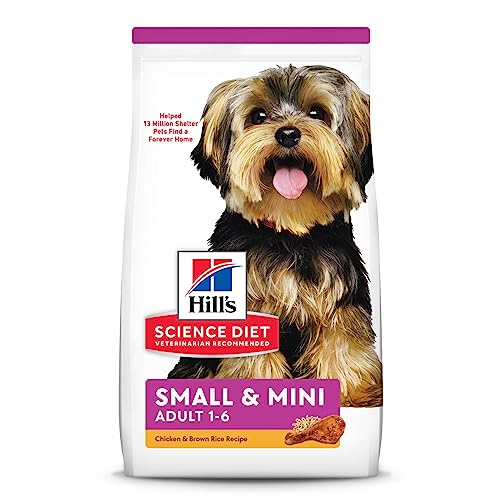
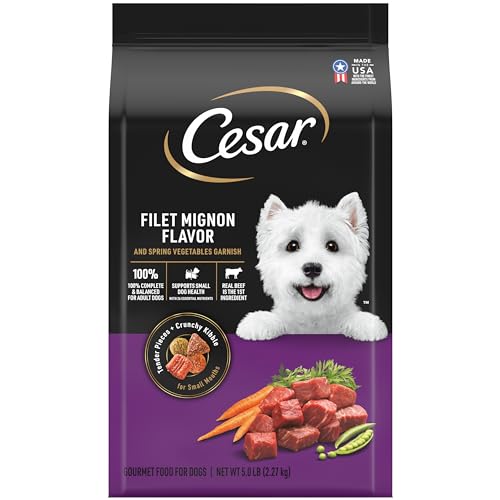
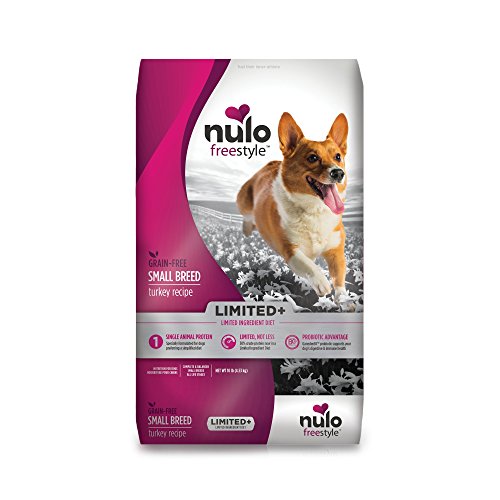
One popular diet option for poodles is a high-quality commercial dog food that is specifically formulated for small breeds. Look for dog food that lists meat as the first ingredient, contains a good balance of protein, carbohydrates, and fats, and is free of artificial colors, flavors, and preservatives. It's also essential to monitor your poodle's weight and adjust their food portions accordingly to prevent obesity.
Another popular diet option for poodles is a homemade or raw diet. This diet typically consists of raw meat, bones, fruits, vegetables, and other natural ingredients. It's important to consult with a veterinarian or canine nutritionist before switching your poodle to a homemade or raw diet to ensure that they are getting all the necessary nutrients for their overall health.
Finally, some poodle owners choose to feed their pets a combination of both commercial dog food and homemade meals. This hybrid diet provides the convenience of commercial dog food with the added nutritional benefits of homemade meals. Whichever diet option you choose for your poodle, it's essential to provide them with fresh water at all times and monitor their overall health and wellbeing to ensure they are thriving on their chosen diet.
Tips for Transitioning Your Poodle's Diet
When transitioning your poodle to a new diet, it's important to do so gradually. Sudden changes can lead to digestive upset and discomfort for your furry friend. Start by mixing a small amount of the new food in with their old food, gradually increasing the ratio over the course of about a week.
Pay attention to your poodle's reaction to the new diet. If you notice any signs of digestive issues such as vomiting, diarrhea, or excessive gas, slow down the transition process or consult with your veterinarian for guidance. Every dog is different, so it may take some trial and error to find the right food that works best for your poodle.
Be patient during the transition period. Your poodle may take some time to adjust to the new flavors and textures of their food. Keep a close eye on their behavior and appetite to ensure they are adjusting well. Remember, a gradual transition is key to a successful switch to a new diet for your beloved poodle.
Monitoring Your Poodle's Diet Success
After selecting the best diet for your beloved poodle, it's important to monitor their progress and ensure that the new food is meeting their nutritional needs. Keep an eye on your pup's weight, as sudden changes in weight can indicate that the diet may not be appropriate for them. You can use a simple kitchen scale to weigh your poodle regularly and track any fluctuations.
In addition to weight, pay attention to your poodle's energy levels and overall health. A balanced diet should provide your pup with the energy they need to stay active and playful. If you notice any changes in their behavior or overall well-being, it may be a sign that their diet needs to be adjusted.
To get a more detailed picture of how your poodle is doing on their new diet, consider keeping a food journal. Write down what you feed them each day, including the brand and type of food, as well as any treats or snacks. This can help you identify any patterns or issues that may arise and make it easier to track their progress over time. And don't forget to consult with your veterinarian regularly to ensure that your poodle is staying healthy and happy on their new diet.